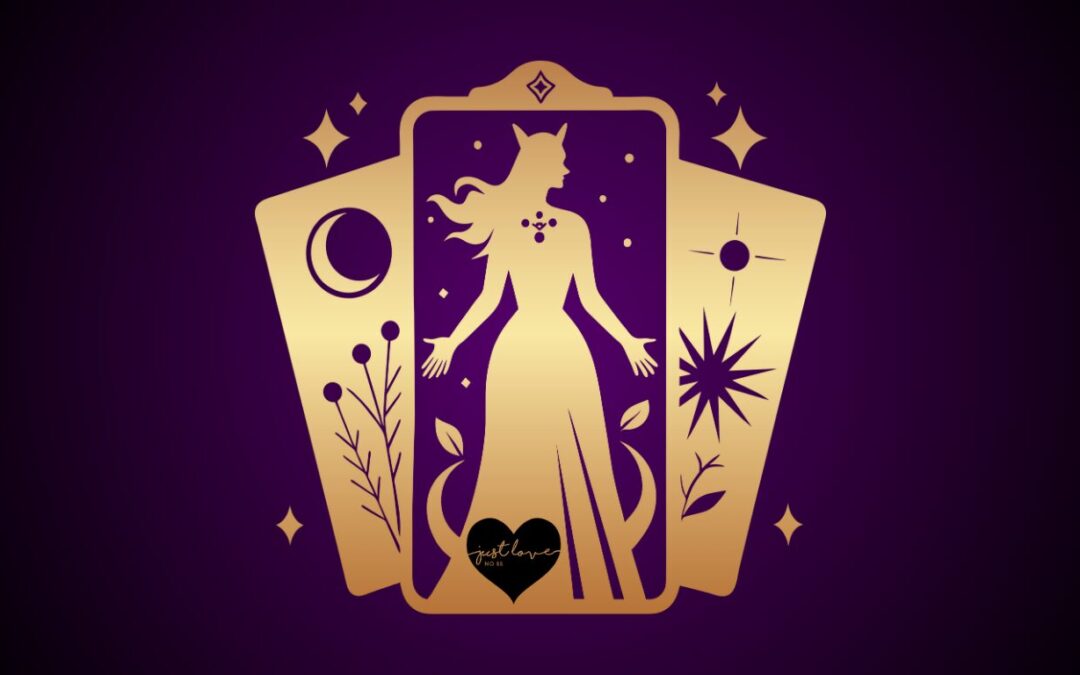
Welcome to the World of Tarot!
Welcome, curious soul! If you’ve felt a pull towards the beautiful and mysterious world of tarot, you’re in the right place. Tarot cards are a set of symbolic cards used for divination, self-reflection, and spiritual guidance. Think of them not as a fortune-telling gimmick, but as a wise friend or a mirror to your inner self, helping you connect with your intuition and find clarity on your path.
This guide will gently walk you through everything you need to know to begin your own tarot journey. We’ll explore the deck’s structure, learn the stories behind the cards, and perform your very first reading. Let’s begin.
Part 1: The Fundamentals of Tarot
A Brief History
Tarot’s story begins in 15th-century Europe, where it was first used as a simple card game. It wasn’t until the 18th century that spiritual seekers began to recognize the deep symbolism within the images, transforming the deck into a powerful tool for divination, meditation, and personal growth. Today, tarot is used worldwide as a beautiful way to connect with our intuition.
The Structure of a Tarot Deck
A standard tarot deck consists of 78 cards, which are divided into two main groups: The Major Arcana and the Minor Arcana.
- The Major Arcana (22 cards): These cards represent the big life themes and spiritual lessons we all encounter. When they appear in a reading, they highlight important turning points in your journey. Key examples include The Fool (new beginnings), The Lovers (relationships and choices), and Death (transformation).
- The Minor Arcana (56 cards): These cards deal with the details of our everyday situations, emotions, and decisions. They are split into four suits, each connected to a different element of life:
- Cups (Water): emotions, relationships, love.
- Wands (Fire): creativity, passion, action.
- Swords (Air): thoughts, challenges, communication.
Pentacles (Earth): money, work, stability. Each suit contains ten numbered cards (Ace through Ten) that show a progression of energy, and four Court Cards (Page, Knight, Queen, King). These Court Cards can feel tricky at first, but they often represent people, personalities, or aspects of yourself.
Think of them as archetypes: Pages are learners and messengers bringing new opportunities; Knights are about action and movement; Queens represent nurturing wisdom and mastery; and Kings embody leadership and authority.